
Functional Self Care™ uses behavior change strategies—not willpower—to help people build lasting physical activity habits. This means focusing on confidence, comfort, and consistency. Because improving public health starts with making movement safe and accessible for everyone.

Why Small Movement Counts: A Research-Backed Guide to Getting Started
The belief that exercise has to be hard, long, or structured to count is keeping a lot of people on the sidelines. Here's what the evidence actually shows about getting started.

When "All or Nothing" Leaves You With Nothing
If missing one workout feels like failing entirely, you might be caught in an all-or-nothing thinking pattern. This evidence-based guide explores why it happens, what stress does to the body, and how self-compassion and flexibility lead to better health outcomes than discipline ever could.
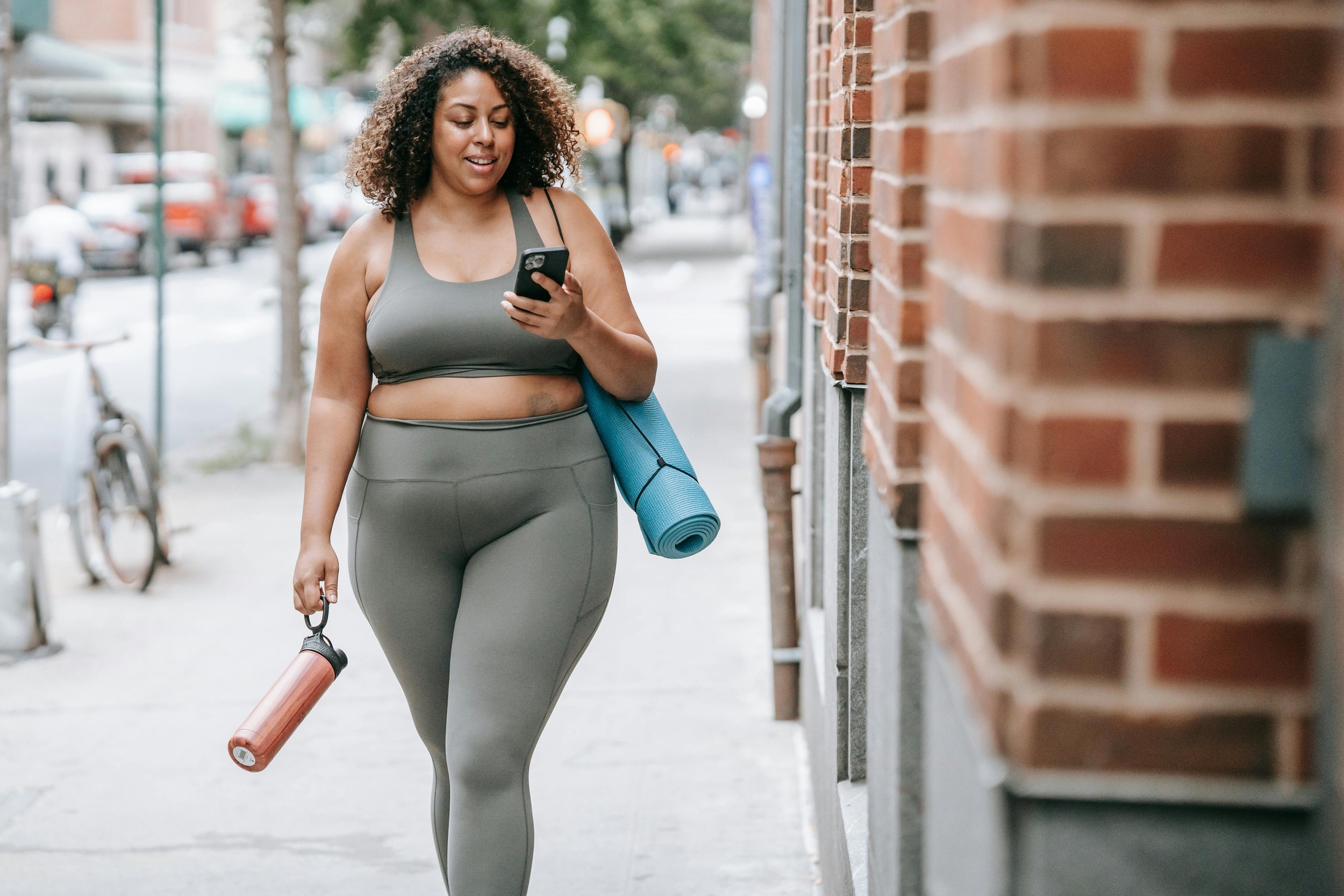
Why Is It So Hard to Start Exercising — Even When You Know It's Good for You?
Exercise isn't just about how your body looks. It also changes how you think and feel. In fact, moving your body is one of the best things you can do for your mental health.

When Concern Becomes Commentary: What We Get Wrong About Talking About Bodies
It would be easy to dismiss the people commenting on Ariana Grande's body as intrusive or unkind. Most of them aren't. They're fans who have loved her for years, and their concern is real. But real concern can still cause real harm — especially when it's directed at someone's body without their invitation.

Why You Can't Stop Thinking About Food (And What That Actually Means)
It's exhausting, isn't it? You wake up thinking about breakfast. By mid-morning you're mentally planning lunch, scrolling through options, second-guessing your choices. Your brain won't stop working through food decisions — what to eat, how much to eat, whether you should eat at all. This constant mental loop is called "food noise".
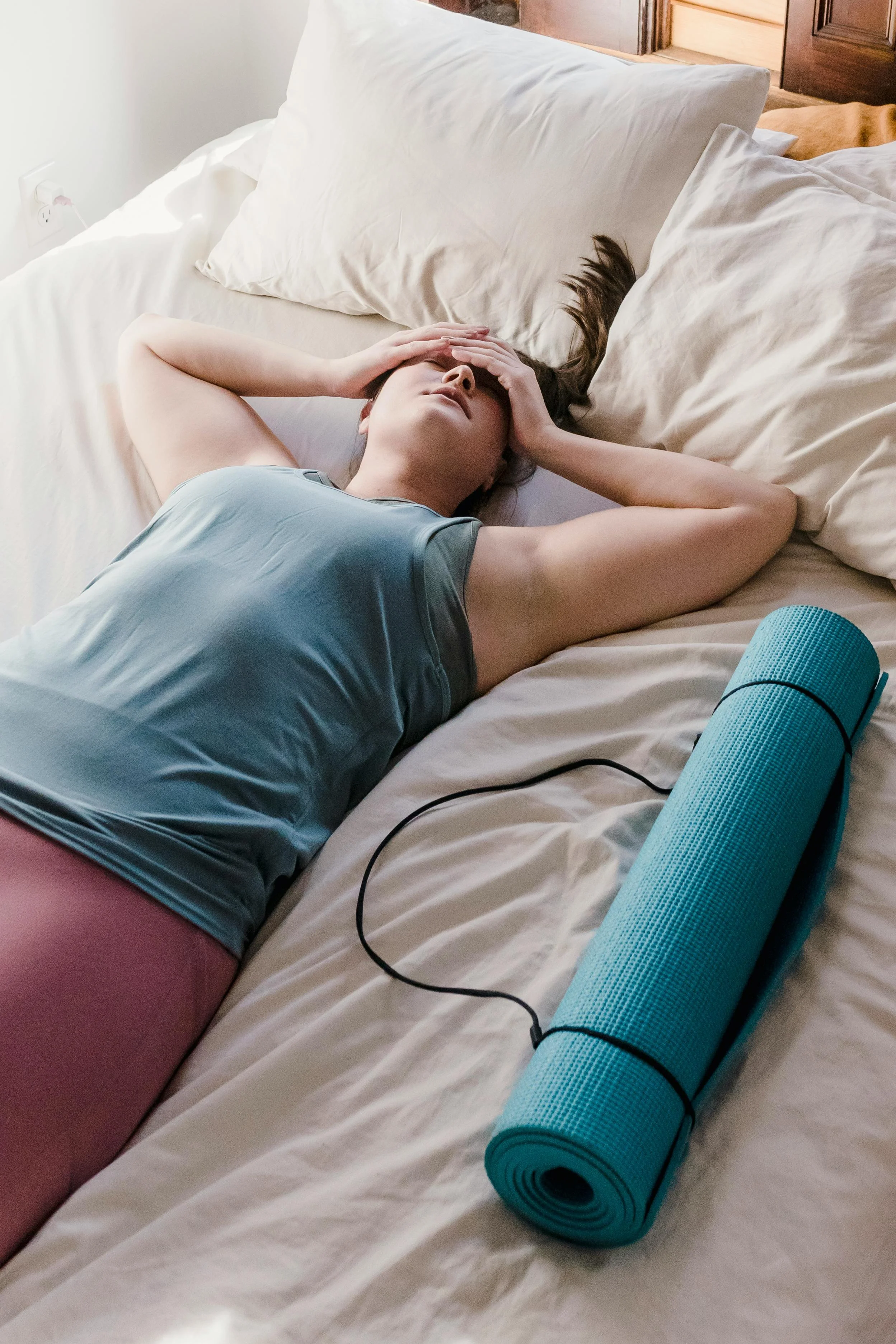
Are Your Healthy Habits Actually Making You Anxious?
You started tracking your sleep, cleaning up your diet, optimizing your routine. So why does taking care of yourself feel so exhausting?

Could a Weekly Shot Help People Drink Less? What New Science Says About GLP-1 Drugs
If you or someone you love has struggled with alcohol use, you know how hard it can be to find help that actually works. That’s why new research on GLP-1 drugs is so exciting - and worth understanding.
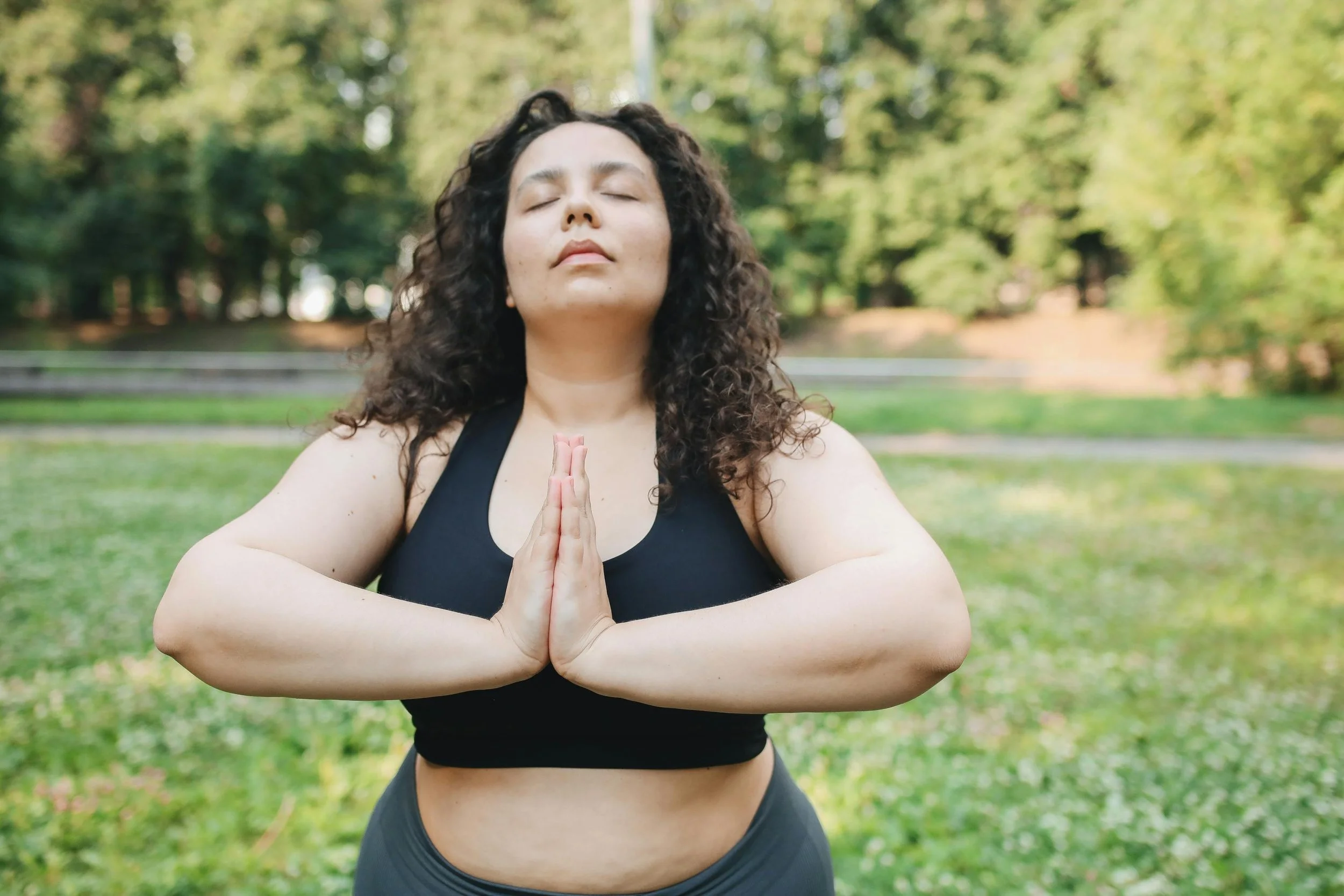
How to Feel Better in Your Body — Starting With Your Next Workout
Struggling with body image and exercise? Discover how paying attention to your thoughts and feelings during a workout — without judgment — can build a healthier, more positive relationship with your body over time.

Feel Good in Your Body: A Values-Based Reflection
When you know what you value, taking care of yourself stops feeling like a chore — and starts feeling like a choice. This check-in is your first step toward a healthier, more confident you.

Take Control of Your Health: What to Know About GLP-1 Medications
GLP-1 medications are everywhere right now — in the news, on social media, and in conversations at the doctor's office. The wave of advertising and celebrity buzz around these drugs can make it hard to separate facts from hype. Our hope is that this guide helps you feel more confident asking questions, understanding your options, and making decisions that are truly right for you.