Moving With Kindness: How Self-Compassion Supports Physical Activity
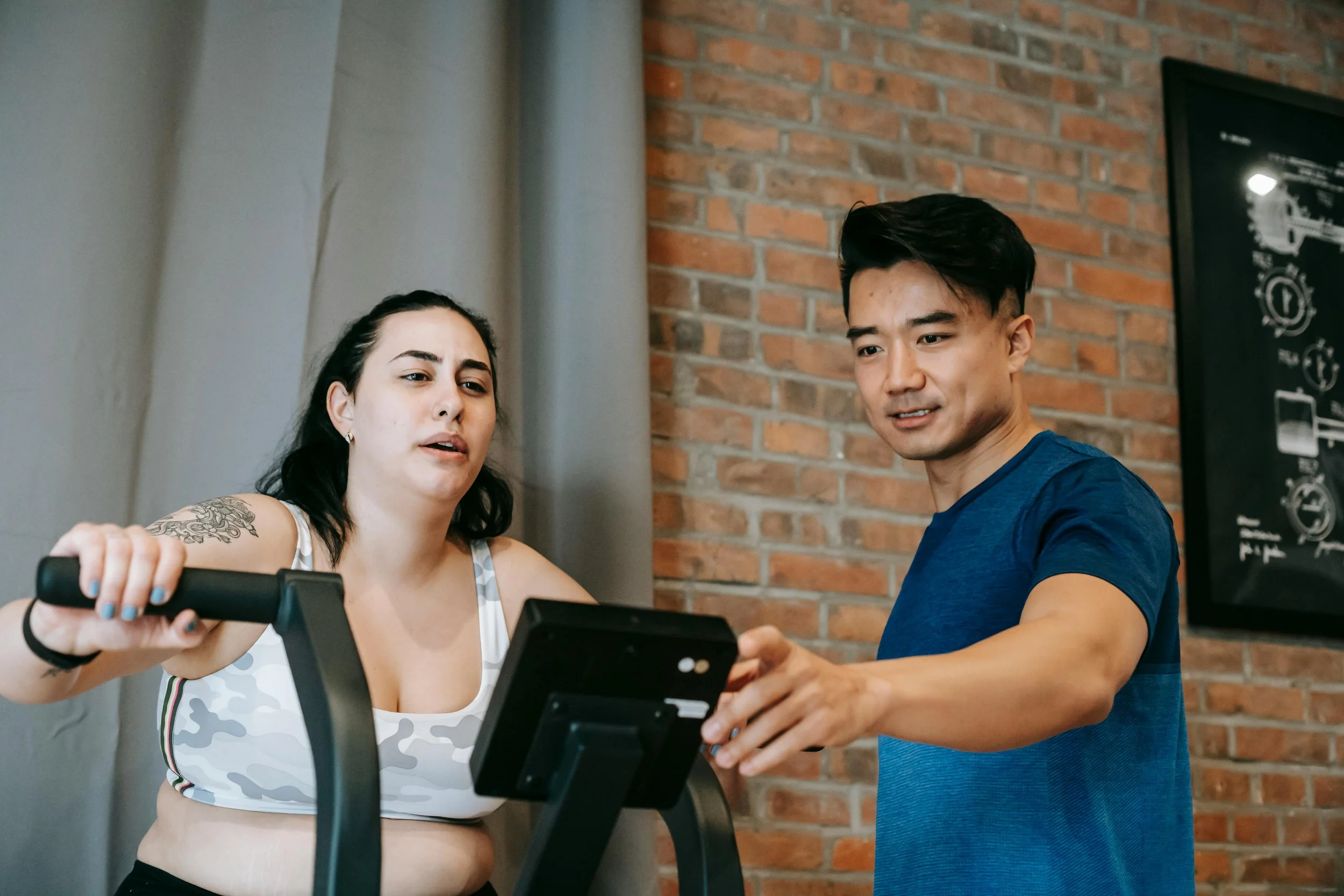
Source: Andres Ayrton
People often struggle with physical activity because movement becomes wrapped in pressure—pressure to stay consistent, see results, or do things “the right way.” When movement is framed as something you must do perfectly, it’s easy to quit when things don’t go as planned. Self-compassion helps explain why this happens—and how people can keep coming back to movement even after motivation dips. Instead of pushing harder, it focuses on how we respond to setbacks, low-energy days, and unmet expectations.
What Helps You Keep Moving on Hard Days
Self-compassion doesn’t rely on feeling motivated or positive about movement. It works by building skills that support follow-through.
Studies suggest that self-compassion helps people manage emotions, stay focused, and believe in their ability to handle challenges. These skills matter because physical activity often includes discomfort and setbacks. When motivation fades, self-compassion helps people respond in ways that support return and consistency instead of avoidance. Over time, this indirect support helps people stay engaged with physical activity.1
Setbacks Are Part of the Process, Not a Personal Flaw
Another line of research examined how self-compassion influences physical activity over time and found that people who approached challenges with a self-compassionate mindset were more likely to maintain physical activity across a nine-month period.2
Why? Because self-compassion supports a less distressing and more accepting response to common struggles like:
Missing workouts
Feeling unmotivated
Not seeing expected results
Feeling disappointed in performance
Rather than spiraling into self-criticism, self-compassion allows people to slow down, recuperate, and return to movement after setbacks like dissatisfaction or demotivation.2
That ability to return—not to be perfect—is what makes physical activity sustainable.
Reframing Motivation Through Self-Compassion
Self-compassion doesn’t mean doing less—it means relating to movement differently.
It looks like:
Acknowledging that some days will feel harder than others
Allowing rest without guilt
Adjusting intensity instead of quitting altogether
Treating setbacks as information, not failure
Especially for individuals who experience body shame, discomfort, or fatigue during physical activity, cultivating acceptance and awareness can reduce resistance and make movement feel safer and more approachable.3 This approach shifts movement away from “pushing through at all costs” and toward listening, adjusting, and responding to what your body actually needs.
How to Support Motivation Without Pressure or Guilt
Practicing self-compassion can be as simple as pausing and asking yourself: “What does my body need today?” Maybe that’s a full workout, a lighter session, or a rest day. By practicing care and flexibility, physical activity becomes something you can maintain long-term.
One way to start is by noticing how you talk to yourself around physical activity. When motivation drops or plans fall apart, try responding the way you would to a friend: with understanding instead of criticism. This might sound like, “Today feels harder, and that’s okay,” or “I can adjust instead of giving up.”
Another practice is giving yourself permission to meet your body where it is. That may mean choosing gentler movement, taking breaks, or resting when needed—without turning those choices into evidence that you’ve failed.
Motivation will still come and go—but with self-compassion, it no longer has to decide whether movement stays in your life. Responding to setbacks with care rather than pressure makes physical activity something you can return to again and again.
Samantha Patterson, CHES®, is a certified Health Education Specialist and summa cum laude graduate from Arizona State University’s College of Health Solutions. She shares approachable, evidence-based guidance for building sustainable health habits that are realistic, flexible, and supportive of everyday life.
1 Zhang, S., Roscoe, C., & Pringle, A. (2023). Self-Compassion and Physical activity: The underpinning role of psychological distress and barrier Self-Efficacy. International Journal of Environmental Research and Public Health, 20(2), 1480. https://doi.org/10.3390/ijerph20021480
2 Zhang, S., Pringle, A., & Roscoe, C. (2024). Self‐compassion improves barrier self‐efficacy and subsequently physical activity: A test of longitudinal mediation using a representative sample of the United Kingdom. British Journal of Health Psychology, 30(1), e12757. https://doi.org/10.1111/bjhp.12757
3 Jankauskiene, R., & Baceviciene, M. (2024). Mindful monitoring and accepting the body in physical activity mediates the associations between physical activity and positive body image in a sample of young physically active adults. Frontiers in Sports and Active Living, 6, 1360145. https://doi.org/10.3389/fspor.2024.1360145
