A Beginner-Friendly Guide to Sport Supplements: What’s Actually Worth Your Time
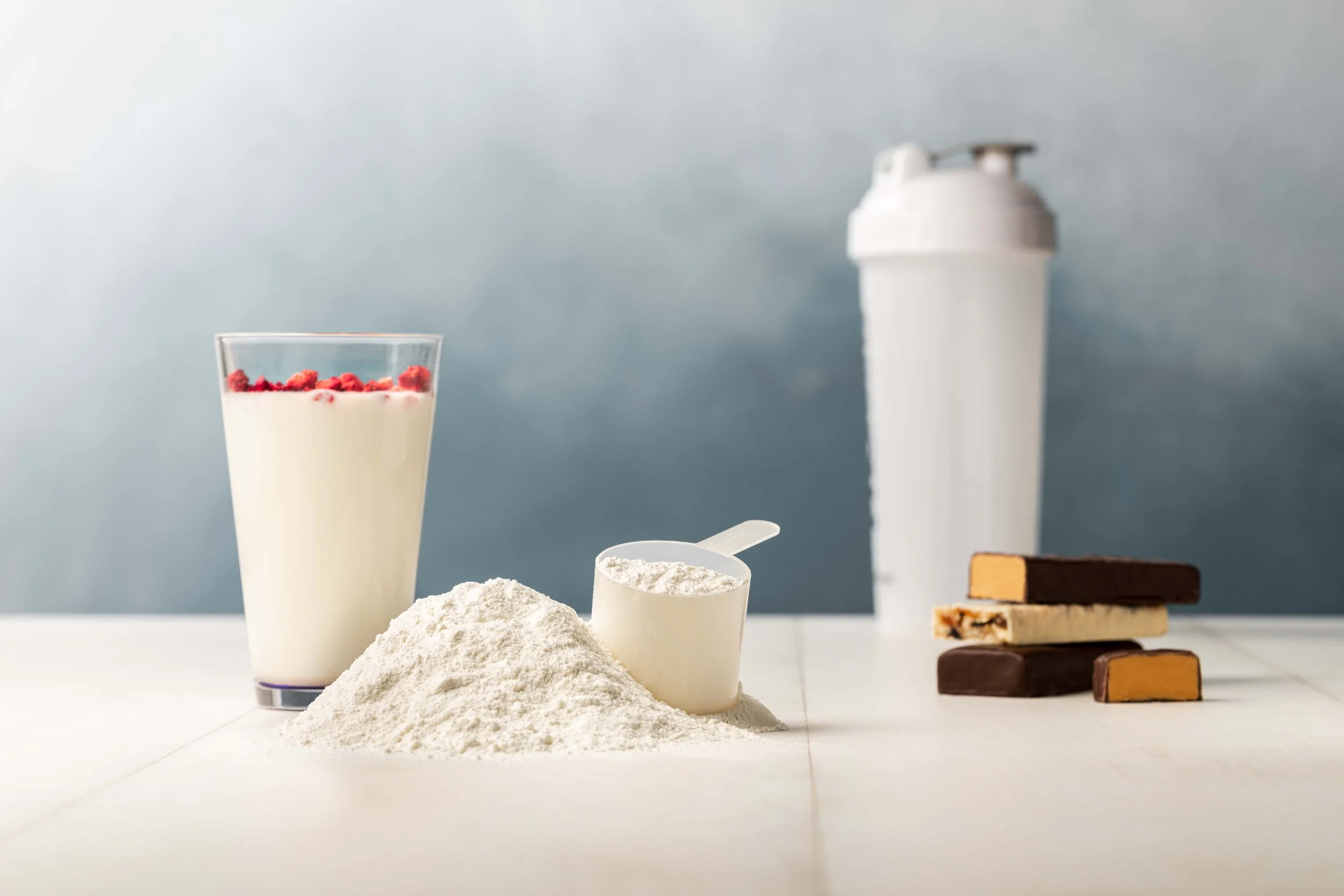
If you’ve ever searched for beginner fitness supplements, you’ve probably run into a mix of hype, myths, and half-true advice. It can feel overwhelming fast. The good news: you don’t need most of what’s marketed to you. With Functional Self Care™, we treat supplements the same way we treat exercise: start with the basics, understand what matters, and add support where it’s genuinely helpful—not because you “should.” This guide breaks down five supplements with solid research behind them. No hype, no magic promises—just simple explanations so you can make informed choices for your own body and your own goals.
How to Know If Supplements Are Right for You
You might benefit from a targeted supplement if:
You’re struggling to meet nutrient needs through food
You’re doing structured resistance or endurance training
You feel like you’re plateauing
You want more energy or faster recovery
You’re engaging in high-intensity workouts
The Basics Still Matter Most
Supplements get a lot of attention, but they tend to work best when your everyday nutrition is giving you a reasonable base to work from. Things like regular meals, enough carbs for energy, protein for repair, and a mix of fats and fluids keep everything running smoothly.
Think of it like this:
Carbs: the quick fuel
Protein: helps muscles recover after you move
Fat: steady energy that lasts
Fluids: keep everything running in the background
You don’t need a perfect meal plan for exercise to feel better. Most people notice that when they’re eating enough throughout the day and staying hydrated in a way that feels doable, their workouts feel steadier and their recovery feels smoother.1 From there, supplements—if you choose to use any—can act as small, supportive additions rather than doing all the heavy lifting themselves.
1. Creatine
Creatine helps your muscles create quick energy during short bursts of effort—like lifting, pushing, or sprinting.
Benefits:
Increased strength
Improved high-intensity performance
Gradual gains in muscle and power
Better training quality
How much: 3–5g per day2
Creatine is one of the safest long-term supplements out there.2 For many beginners, it’s a simple “first step” supplement because it supports learning how to lift or train with more confidence.3
2. Protein
Adding a protein supplement is a convenient way to meet your daily needs—especially if you’re struggling to get enough protein from food alone. Whey protein, in particular, can help stimulate muscle repair after resistance training.3
Benefits:
Improves muscle recovery
Supports strength and muscle growth
Daily target: 0.55–0.9g per lb of bodyweight1
Try not to stress about the number. As long as you’re getting a decent amount throughout the day, your body has what it needs to handle your workouts.
3. Caffeine
Caffeine isn’t just about feeling awake. It can help reduce perceived effort and support mental focus, which matters when you’re learning new movements or pushing into unfamiliar training areas.4
Benefits:
Better alertness
Increased strength and power
Improved workout quality
How much: 3–6 mg per kg of body weight, about 60 minutes before training2
If you’re sensitive to caffeine, start small. Some people are sensitive to caffeine and may experience jitteriness or discomfort.
4. Beta-Alanine
If your workouts involve short, tough bursts—sprints, hills, circuits—beta-alanine may help delay that familiar “burning” fatigue.4
Benefits:
Better performance in efforts lasting 1–4 minutes
Reduced muscle burn
More comfortable high-intensity intervals
How much: 2–6g per day*2
If your focus is gentle or moderate-intensity training, you can easily skip this one.
* (Splitting the dose into 2 servings helps reduce tingling)
5. Nitrates
Nitrates help your body use oxygen more efficiently—useful for steady-state cardio, longer walks, cycling, or running.2
Benefits:
Improved endurance
Reduced oxygen cost during exercise
Better performance during longer efforts
How much: ~500 mg, taken 2–3 hours before exercise3
Beetroot juice is a popular source, but nitrate supplements offer more consistent dosing.
How to Decide What’s Right for You
Try asking yourself:
What type of movement am I doing right now?
What do I actually want support with—energy, strength, recovery, consistency?
Does this supplement fit easily into my life?
Am I meeting my nutrition and hydration needs first?
Do I feel pressure to take something, or does it genuinely support my goals?
A Simple Starter Stack for Fitness Beginners
If you're new to exercise and want a safe, effective starting point:
Whey protein – to help reach your daily protein needs
Creatine monohydrate – proven, safe, and beginner-friendly
Caffeine – only if you tolerate it and want an energy boost
Final Thoughts
Supplements can support your fitness journey, but they work best when paired with consistent movement, good sleep, hydration, and eating enough. Even the strongest supplement in the world can’t replace those basics. Once your foundation is in place, these five science-backed supplements—creatine, protein, caffeine, beta-alanine, and nitrates—offer reliable ways to enhance performance and recovery.
If you ever feel unsure about where to start, stick with food first, build steady habits, and add supplements only when it makes sense for your goals.
Samantha Patterson, CHES®, is a certified Health Education Specialist and summa cum laude graduate from Arizona State University’s College of Health Solutions. She shares approachable, evidence-based guidance for building sustainable health habits that are realistic, flexible, and supportive of everyday life.
1 National Institutes of Health. (2024, April 1). Dietary Supplements for Exercise and Athletic Performance. Office of Dietary Supplements. https://ods.od.nih.gov/factsheets/ExerciseAndAthleticPerformance-HealthProfessional/#h95
2 Antonio, J., Pereira, F., Curtis, J., Rojas, J., & Evans, C. (2024). The Top 5 Can’t-Miss Sport Supplements. Nutrients, 16(19), 3247. https://doi.org/10.3390/nu16193247
3 Roberts, M. D., Moulding, B., Forbes, S. C., & Candow, D. G. (2023). Evidence-based nutritional approaches to enhance exercise adaptations. Current Opinion in Clinical Nutrition & Metabolic Care, 26(6), 514–520. https://doi.org/10.1097/mco.0000000000000975
4 Close, G., Kasper, A., Walsh, N., & Maughan, R. (2022, March 12). “Food first but not always food only”: Recommendations for using dietary supplements in sport. http://researchonline.ljmu.ac.uk/id/eprint/16504/
