
Functional Self Care™ uses behavior change strategies—not willpower—to help people build lasting physical activity habits. This means focusing on confidence, comfort, and consistency. Because improving public health starts with making movement safe and accessible for everyone.

Overcoming Gym Anxiety: A Gentle Approach to Starting Fitness
Starting a fitness journey can be exciting and scary, especially for those who are just starting out. For many people, the gym can seem intimidating, filled with experienced athletes and unfamiliar equipment. You might worry that others are watching you or judging your every move. But remember, everyone has been there at some point, and these feelings don’t define your worth or ability to succeed.

How to Start Exercising: A Beginner’s Guide to Building Healthy Habits
When you’re new to exercise, it’s easy to think you need to “go hard” for it to count. In reality, research shows that even small amounts of movement - like 15 minutes of brisk walking - have real health benefits. The key is to begin at a pace that feels manageable and build gradually over time.

Moving With Kindness: How Self-Compassion Supports Physical Activity
People often struggle with physical activity because movement becomes wrapped in pressure—pressure to stay consistent, see results, or do things “the right way.” When movement is framed as something you must do perfectly, it’s easy to quit when things don’t go as planned.
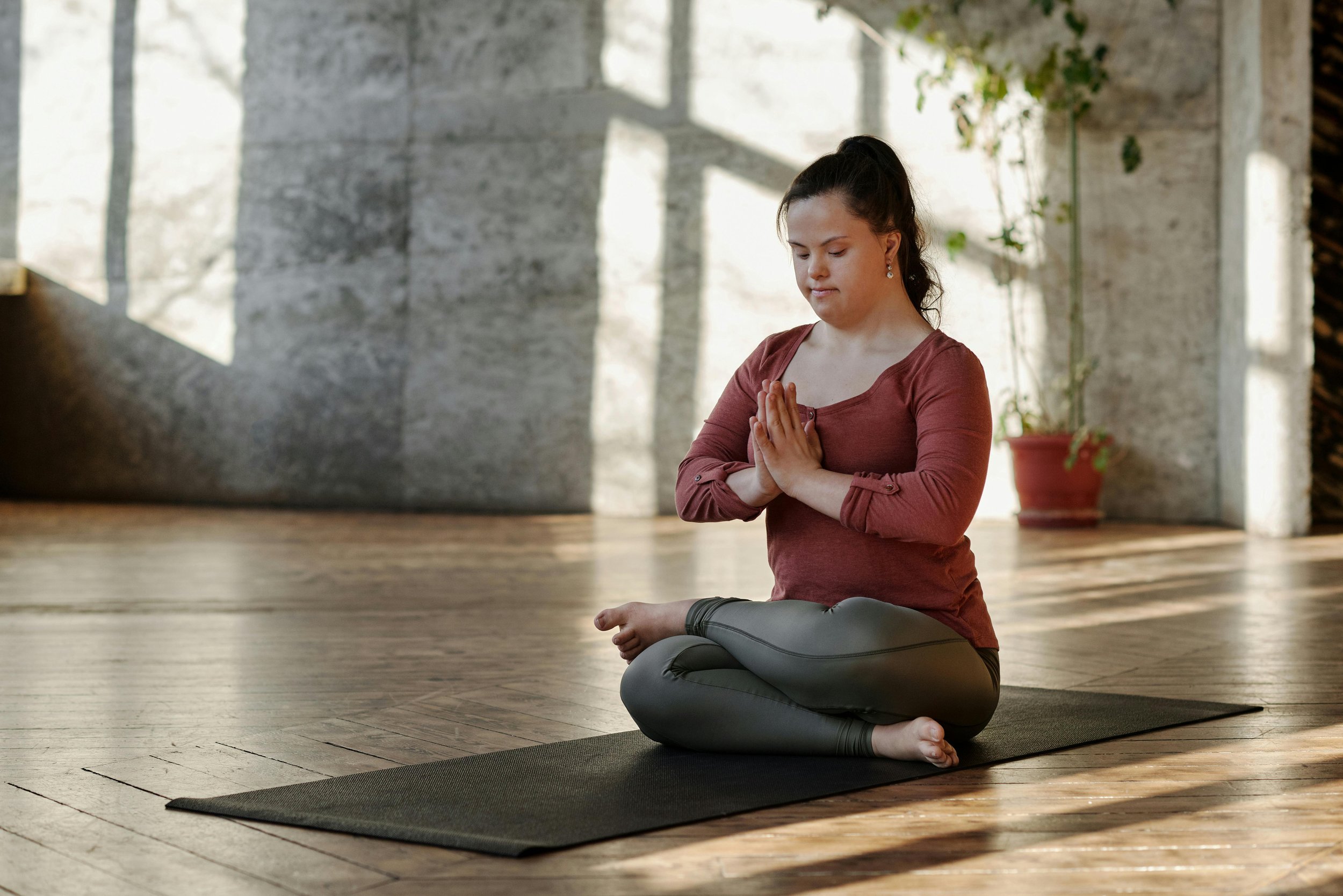
Reconnecting With Your Body: How Attunement and Mindful Self-Care Support Body Image
If you’ve ever felt disconnected from your body - or stuck in a cycle of judging, fixing, or ignoring it - you’re not alone. Body image struggles often show up quietly, in the way we talk to ourselves, eat, move, or care for our bodies day to day.

Plateaus Are Part of the Process: Staying Engaged and Consistent
Weight changes are not linear. Many people experience periods where progress slows or pauses entirely. These plateaus are a normal response to changes in eating patterns, activity levels, and stress. They can be frustrating, but they’re also a sign that your body is adjusting to new routines. Understanding this helps you focus on maintaining consistent, sustainable habits, rather than feeling like you’ve hit a wall.

What It Really Means to Feel at Home in Your Body
What does it mean to truly respect your body? Not in the surface-level, social media kind of way — but in a way that makes you feel connected, grounded, and strong from the inside out?

Why New Year’s Resolutions Often Fall Apart — and a Gentler Way to Think About Health Goals
Many people start the new year with goals for their health, only to feel discouraged a few weeks later. Research shows that most New Year’s resolutions are abandoned within the first month. This is not a personal failure. Changing habits is difficult, especially when goals do not fit into real life.

Why Body Gratitude Changes How You See Yourself
When we think about body image, most of us are taught to focus on appearance — weight, shape, or size. But research shows that shifting toward body gratitude — appreciating what your body does rather than how it looks — can change the way you see yourself.

A Beginner-Friendly Guide to Sport Supplements: What’s Actually Worth Your Time
If you’ve ever searched for beginner fitness supplements, you’ve probably run into a mix of hype, myths, and half-true advice. It can feel overwhelming fast. The good news: you don’t need most of what’s marketed to you. With Functional Self Care, we treat supplements the same way we treat exercise: start with the basics, understand what matters, and add support where it’s genuinely helpful—not because you “should.” This guide breaks down five supplements with solid research behind them. No hype, no magic promises—just simple explanations so you can make informed choices for your own body and your own goals.

Body Neutrality Practices That Support Well-Being
Body neutrality isn’t about ignoring your body or pretending struggles don’t exist. It begins with permission — to feel neutral, conflicted, or unsure — and shifts the focus toward compassionate care. Body neutrality won’t erase hard days, but it can make your relationship with your body calmer, kinder, and more sustainable over time.