Why Is It So Hard to Start Exercising — Even When You Know It's Good for You?
Credit: Mizuno K
Exercise isn't just about how your body looks. It also changes how you think and feel. In fact, moving your body is one of the best things you can do for your mental health.
Even a Little Goes a Long Way
You don't need to spend hours at the gym to feel better. Research shows that just 15 minutes of moderate exercise a day — like a brisk walk — can lower your risk of early death by 14% and add up to three years to your life.1 Regular movement also lowers the risk of heart disease, diabetes, depression, and anxiety.1 The benefits are clear. What's less talked about is why getting there can feel so hard.2
When Shame Gets in the Way
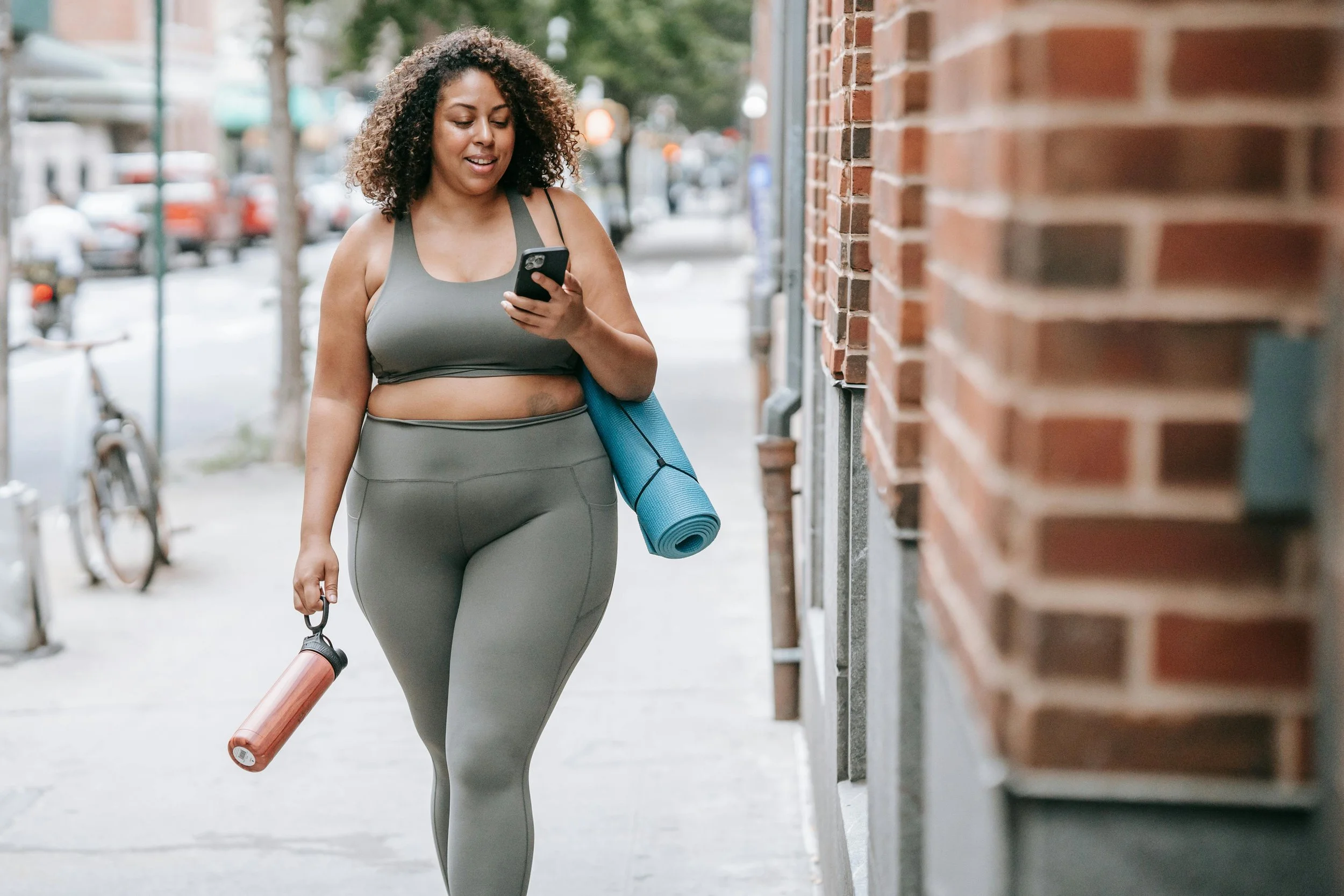
For many people, that difficulty has nothing to do with motivation or willpower. It starts with walking into a gym and feeling like you don’t belong there. Body shame is a real and common barrier to exercise - and it can create a vicious cycle.3 Avoiding movement because of how we feel about our bodies cuts us off from one of the most powerful tools for improving mental health. What breaks that cycle isn't pushing harder — it's redefining what exercise is allowed to look like. Movement that strengthens without punishing, and challenges without depleting, is not only possible — it's the point.4
Exercise and Your Mood
If you've ever felt happier after a walk or a workout, there's science behind that. Exercise is especially helpful for people dealing with depression. It gives people a sense of control over their own recovery, which fights the hopelessness that often comes with depression.2
One important thing to know: the mood boost from exercise isn't always obvious at first. Sometimes it helps to notice and name it — "I feel better because I moved today." That connection is what keeps people going.2
Tips That Actually Help
Set small, realistic goals
Track your activity to build confidence
Know that missing a workout is normal — don't beat yourself up over it
Focus on how exercise feels, not just what it does to your body
Guilt and self-criticism after a missed workout can actually make it harder to get back on track.2 Give yourself grace, and keep going.
Something to Think About…
We all carry different relationships with our bodies and with exercise — shaped by culture, experience, and the messages we've absorbed over time. Simply taking a moment to reflect on that relationship is a meaningful place to start. Here are a few questions worth sitting with:
What does movement mean to you — and does your current relationship with exercise reflect that?
What would need to change — in your environment, your mindset, or your routine — for movement to feel accessible?
Think about a time you moved your body and felt genuinely good afterward — what made that experience different?
When you imagine feeling at peace with movement, what does that look like for you?
Samantha Patterson, CHES®, is a certified Health Education Specialist and summa cum laude graduate from Arizona State University’s College of Health Solutions. She shares approachable, evidence-based guidance for building sustainable health habits that are realistic, flexible, and supportive of everyday life.
1 Jones, M., Bright, P., Hansen, L., Ihnatsenka, O., & Carek, P. J. (2019). Promoting physical activity in a primary care practice: Overcoming the barriers. American Journal of Lifestyle Medicine, 15(2), 158–164. https://doi.org/10.1177/1559827619867693
2 Knapen, J., Vancampfort, D., Moriën, Y., & Marchal, Y. (2014). Exercise therapy improves both mental and physical health in patients with major depression. Disability and Rehabilitation, 37(16), 1490–1495. https://doi.org/10.3109/09638288.2014.972579
3 Smith, S. S., Hoor, G. A. T., Lakhote, N., & Massar, K. (2024). Emotion in motion: Weight bias internalization, exercise avoidance, and fitness-related self-conscious emotions. Healthcare, 12(10), 955. https://doi.org/10.3390/healthcare12100955
4 Calogero, R., Pedrotty, K., & L'Abate, L. (2007). Daily practices for mindful exercise. In Low-Cost Approaches to Promote Physical and Mental Health (pp. 141–160). Springer. https://doi.org/10.1007/0-387-36899-X_7
