Are Your Healthy Habits Actually Making You Anxious?
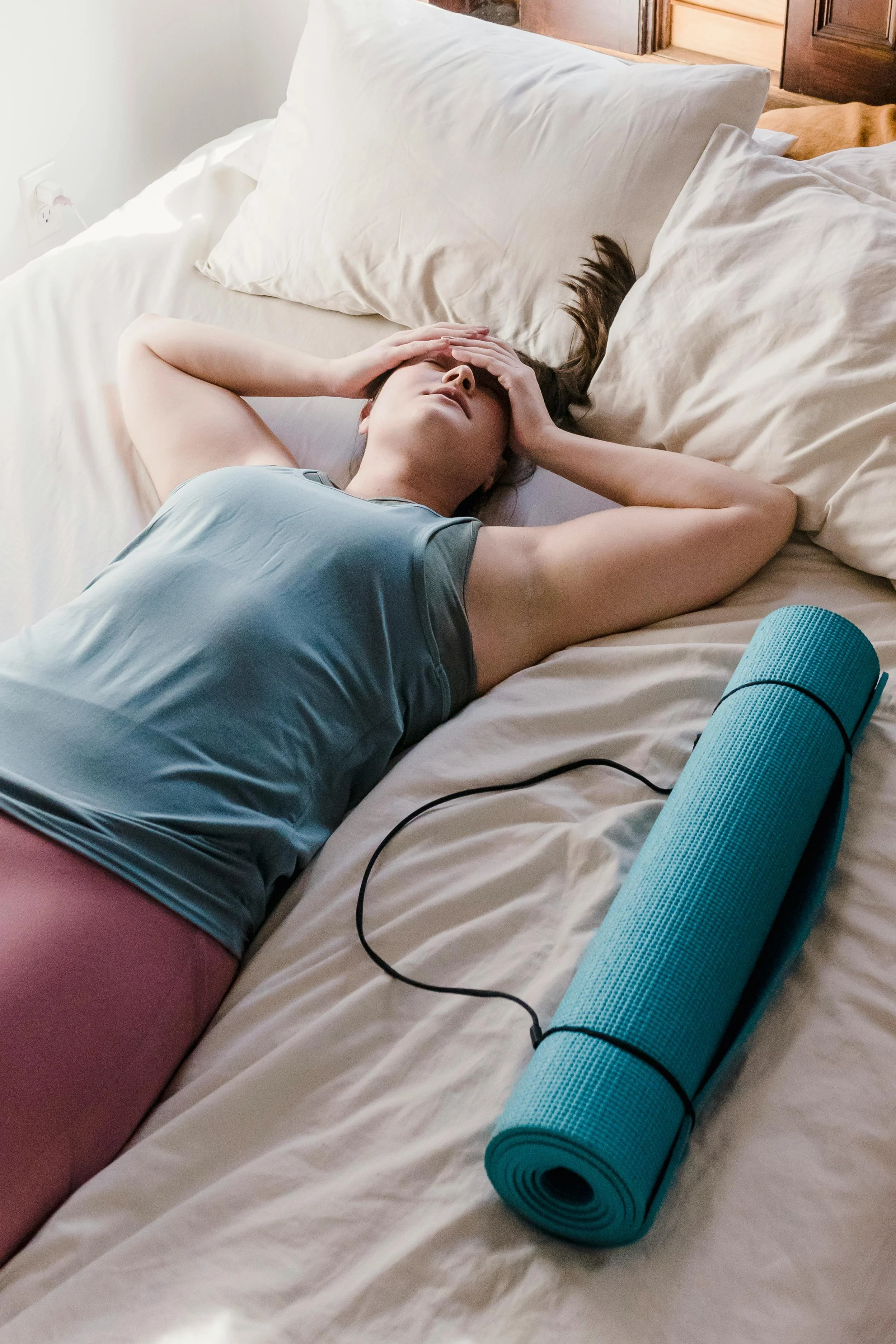
You started tracking your sleep, cleaning up your diet, optimizing your routine. So why does taking care of yourself feel so exhausting?
Credit: Tim Samuel
Wellness culture promises that the right diet, the right tracker, and the right routine will lead to your best self. And yet, there’s always a new food to eliminate, a new metric to hit, another version of you that would finally be healthy. Behind all of it is a $6 trillion industry selling you the idea that more control is the answer.
Why the Industry Keeps You Coming Back
Wellness culture borrows the language of science — inflammation, biohacking, clean eating — to make control feel not just desirable, but responsible. Social media does the rest, wrapping food rules and 75-day challenges in the aesthetic of self-care.
The result is a cycle that's hard to exit. Research shows that the more people focus on controlling the body through rules, tracking, and restriction, the less able they are to tune into what the body is actually communicating.1 One study found that fixating on external metrics made it harder for people to notice something as simple as feeling full.1 The more we rely on data to tell us how we feel, the less we trust ourselves to know.
From Control to Self-Care
Stage and Nielsen (2023) found that the people with the healthiest relationship to their bodies weren't the ones tracking the hardest. Instead, they shared something the researchers called fitness as self-care — a completely different approach to the one wellness culture promotes. Unlike the approaches driven by shame or the desire to look a certain way, self-care meant moving the body in ways that felt pleasing and reached internally motivated goals. The focus shifted from how the body looks to how the body feels.
Cook-Cottone (2015) describes this same shift as attunement — building a real, ongoing relationship with your body by listening to it, not overriding it. In practice, that looks like:
Eating in connection with your body. Hunger and fullness cues are reliable guides worth noticing. The more you practice, honor, and respect these signals, the easier it becomes to hear them.1
Moving because it feels good. Exercise that connects you to your body leads to healthier outcomes than exercise driven by guilt.1
Choosing what you let in. Not every trend or metric deserves your attention. Being selective about the information you consume is itself an act of self-care.1
One Question Worth Asking
Is this habit helping me feel more connected to my body — or more critical of it?
Anything that consistently leaves you more anxious or more disconnected from your own physical experience isn't serving your health — regardless of what the app says. The alternative isn't indifference. It's turning that care inward — toward a body that is already working hard, already communicating, and already worthy of your attention.
Samantha Patterson, CHES®, is a certified Health Education Specialist and summa cum laude graduate from Arizona State University’s College of Health Solutions. She shares approachable, evidence-based guidance for building sustainable health habits that are realistic, flexible, and supportive of everyday life.
1 Cook-Cottone, C. P. (2015). Incorporating positive body image into the treatment of eating disorders: A model for attunement and mindful self-care. Body Image, 14, 158–167. https://doi.org/10.1016/j.bodyim.2015.03.004
2 Stage, C., & Nielsen, S. B. (2023). Reversal, Normalization and Self-care: three logics of countering body shame through fitness activities among young Danes. Scandinavian Sport Studies Forum, 14, 2000–088x. https://pure.au.dk/portal/en/publications/ec894d48-bd08-4ffe-8ef3-06093b899055
