Why Small Movement Counts: A Research-Backed Guide to Getting Started
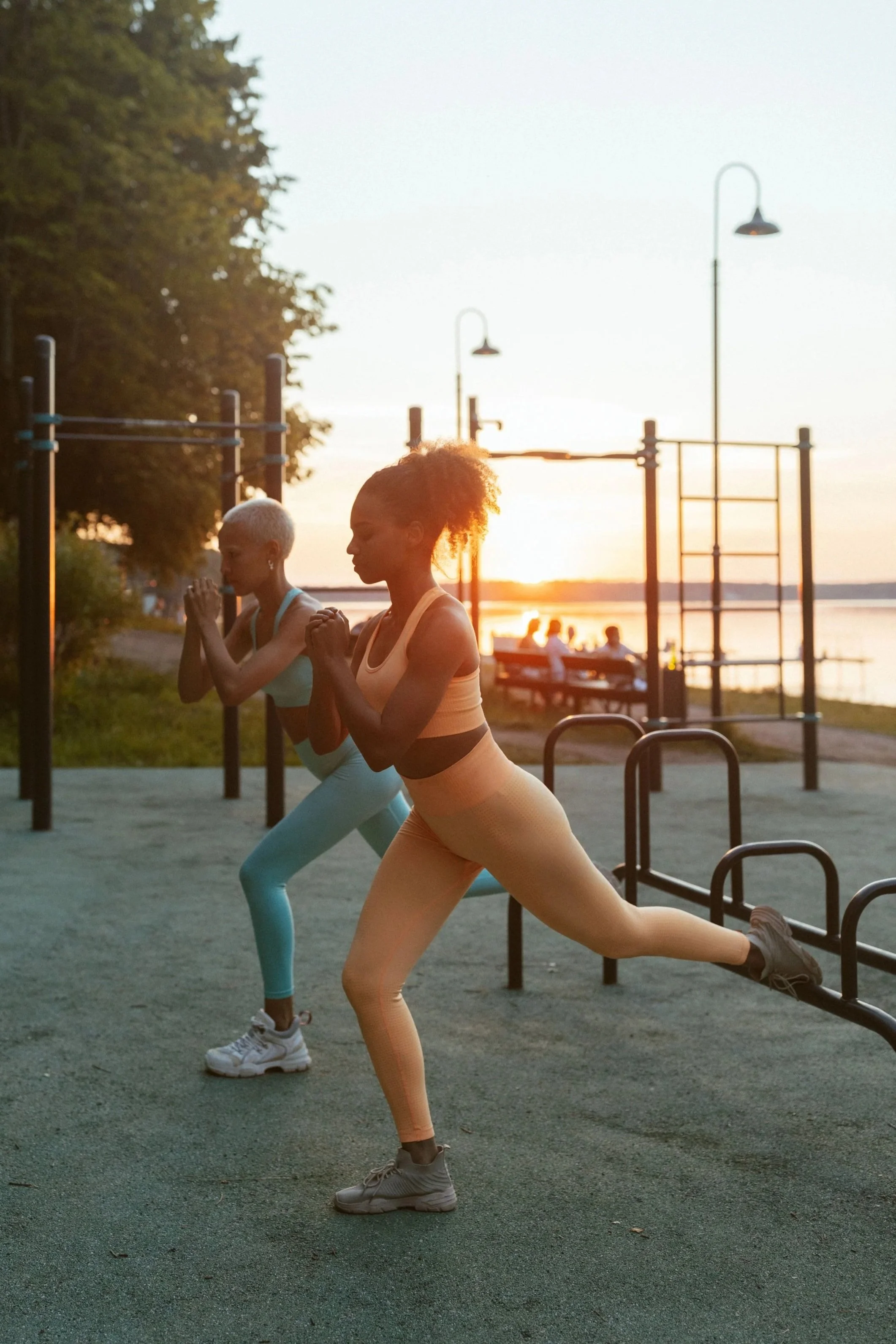
Credit: Yaroslav Shuraev
You're Already Doing Something
Maybe you've been thinking about moving your body more for a while now. Maybe the thought shows up when you're sitting at your desk too long, or when you catch yourself feeling a little sluggish by the end of the week. Whatever brought you here, the fact that you're exploring this idea says something about you — that you care about how you feel, that you're open to something new, and that some part of you believes change is possible. That's not nothing. That's actually a meaningful place to begin.
It's also worth naming something that might be getting in the way: the belief that movement has to look a certain way to count for anything. That it needs to be long enough, hard enough, or structured enough to be worth doing. These ideas about exercise are common - but they don’t line up with what the evidence actually shows. It turns out that the bar is much lower than most people think.
Small Is the Actual Plan
The Physical Activity Guidelines for Americans recommends that people who are just beginning to move more should start at a light or moderate intensity, for short periods of time, with those sessions spread throughout the week. A few minutes of walking several times a day, five or six days a week, is not a watered-down version of exercise — it is the recommended starting point, offered by the same federal guidelines that shape public health policy across the country.
This approach works because the body does better with slow, steady progress. Starting small also makes it much more likely that movement becomes something you stick with. Think about what it might feel like, a few months from now, to have built something simple into your life that actually lasted. That version of you is closer than it seems.2
Why You Move Matters Too
Beyond how much you move and how often, the reason you move turns out to be meaningful. It's worth asking yourself: what do you actually value about being in your body? What would it mean to feel stronger, more energized, more at ease — not for how it looks, but for how it feels to live in your own skin? Those answers are a worthy place to start. Research supports what many people sense intuitively — that moving for health and enjoyment tends to serve us better over time than moving to change how we look. 3,4 When movement is tied to something that genuinely matters to you, it's easier to come back to.
What Small Can Look Like
So what could this actually look like for you? Maybe it's a ten-minute walk after dinner, simply because the air outside is nice and you need a few quiet minutes. Maybe it's stretching on the floor while your morning coffee brews, or putting on your favorite song and dancing around your kitchen while you make lunch. Maybe it means texting a friend to walk with you once a week, or finding a community class that sounds interesting — because having someone alongside you makes showing up feel easier and more enjoyable. Research has found that time in nature supports more positive feelings about the body, through the sense of connection and rest it tends to bring.4 A walk outside, even a short one, is doing more than you might think.
None of these require equipment, a schedule, or a version of yourself that is already fit and motivated. They only require a little willingness and the understanding that small still counts.
Let This Be Enough
You don't need to overhaul your life or commit to something you aren't ready for. What the research actually asks of someone just beginning is far gentler than the fitness industry tends to suggest — a little movement, done with some consistency, for reasons that feel genuinely yours. You already have what it takes to start. The strengths that brought you to this page — your curiosity, your openness, your care for yourself — are the same ones that will carry you forward. That is more than enough for right now.
Samantha Patterson, CHES®, is a certified Health Education Specialist and summa cum laude graduate from Arizona State University’s College of Health Solutions. She shares approachable, evidence-based guidance for building sustainable health habits that are realistic, flexible, and supportive of everyday life.
1 U.S. Department of Health and Human Services. (2018). Physical activity guidelines for Americans (2nd ed.). https://health.gov/paguidelines/second-edition
2 Rimer, B. K., & Glanz, K. (2005). Theory at a glance: A guide for health promotion practice (2nd ed.). National Cancer Institute.
3 Cook-Cottone, C. P. (2015). Incorporating positive body image into the treatment of eating disorders: A model for attunement and mindful self-care. Body Image, 14, 158–167.
4 Baceviciene, M., Jankauskiene, R., & Swami, V. (2021). Nature exposure and positive body image: A cross-sectional study examining the mediating roles of physical activity, autonomous motivation, connectedness to nature, and perceived restorativeness. International Journal of Environmental Research and Public Health, 18(22), 12246. https://doi.org/10.3390/ijerph182212246
